Designing the Modern Breakroom: How Furniture Shapes Culture & Productivity
January 28, 2026
Posted in : Uncategorized
There is no doubt at all that the breakroom has evolved over time. Not long ago, the office breakroom was little more than a utilitarian lunch space, with a few tables, some hard chairs, a microwave, and perhaps a fridge tucked away into a forgotten corner. Increasingly, however, that model does not fit any longer with how people work, and what they tend to expect at work as well. As hybrid schedules, cross-functional teams, and employee experience take centre stage, the breakroom has evolved into a cultural hub of the workplace.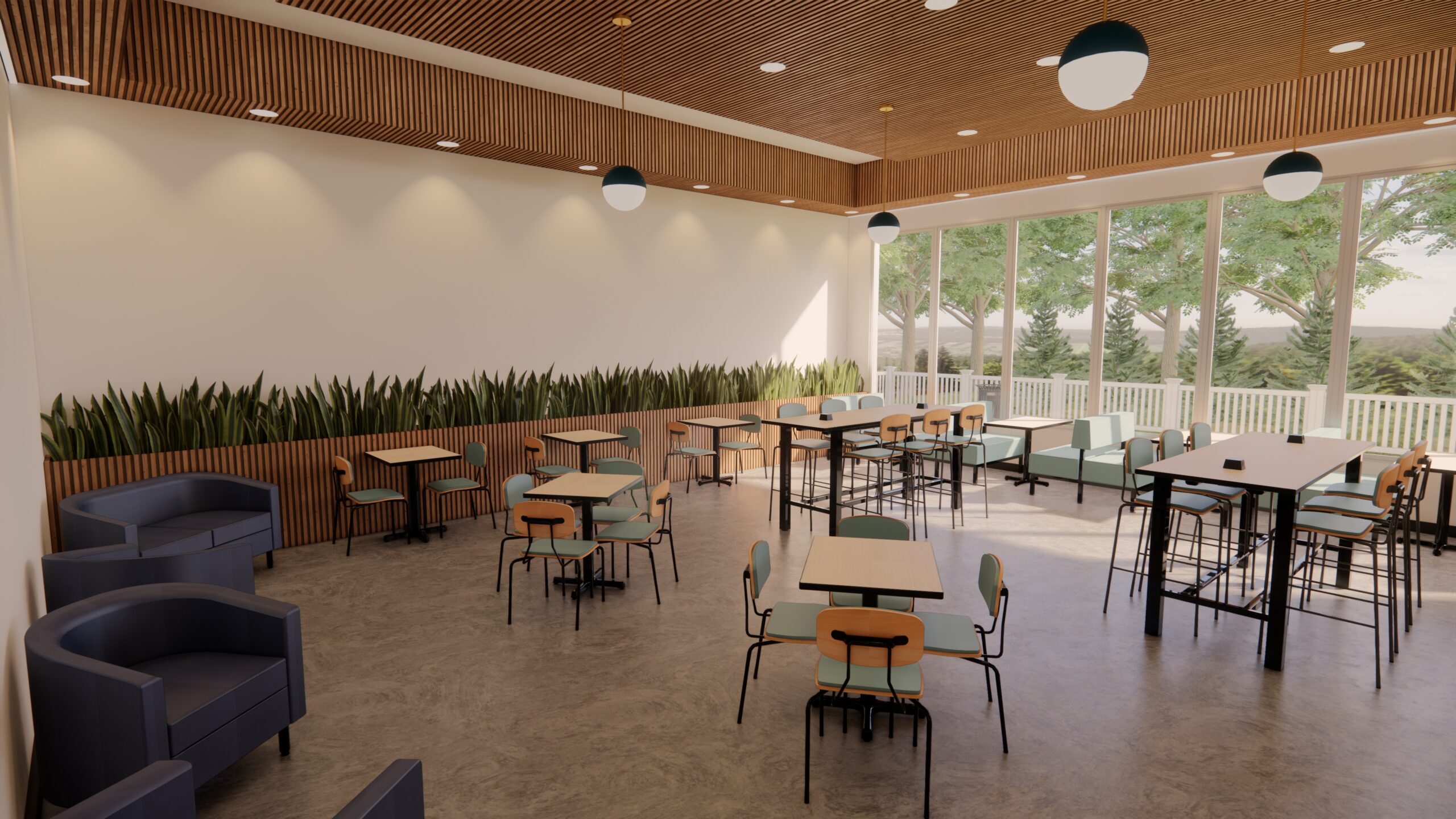
Modern breakrooms support far more than just eating. They are places to recharge, hopefully, between meetings, connect with colleagues across departments, and do focused or informal work. Because of this more expanded role, breakroom design matters more than ever. Furniture in particular has become a key driver of this, and the right furniture choices can encourage interaction, improve comfort, and subtly reinforce how a company values its people.
Why Breakroom Design Impacts Culture & Productivity
Space has a way of shaping behavior. When employees walk into a breakroom, the furniture layout, seating options, and overall atmosphere immediately signal how the space is meant to be used. Because of this, you will find that there is a lot to be said for how to lay it out and what kind of furniture you are going to want to use. A rigid, uncomfortable setup discourages lingering and connection, whereas a thoughtfully designed environment invites people to stay, talk, and rest. This is going to make a huge difference.
Breakrooms are often where informal collaboration happens – quick conversations that spark ideas or solve problems without the structure of a meeting. Comfortable seating and approachable table layouts make these interactions feel natural. At the same time, employees also need places to decompress or focus quietly. A well-designed breakroom balances social energy with moments of calm, supporting morale and sustained productivity throughout the day.
Key Furniture Types In A Modern Breakroom
There is plenty of key furniture that you are going to want to consider in any modern breakroom, and it’s a good idea to be as aware of them as possible.
Seating That Encourages Choice & Comfort
First of all, you will want to make sure that your employees have the choice in how they are going to be comfortable. No two employees recharge the same way. Lounge seating allows people to relax, lean back, and disconnect briefly, while task-style seating supports upright posture for eating or light work. If you offer a mix of seating types, this gives people agency over how they use the space, which, as we have seen, is really important.
Flexibility and movement matter a lot here as well. Lightweight chairs, stools, and benches that can be easily repositioned allow the room to adapt to different group sizes and activities. Because breakrooms are high-traffic environments, durability is critical. Furniture must withstand constant use without sacrificing comfort or design integrity at all, where this is possible.
Tables That Support Multiple Uses
Breakroom tables do a lot of work. They host meals, impromptu meetings, solo laptop sessions, and everything in between. Size and shape play a big role in how inclusive and functional a space feels. Communal tables encourage interaction, while smaller tables support individual or small-group use. Surface materials should be easy to clean and resistant to wear, especially but not solely in food-service areas. Well-designed tables anchor the room and help define how people gather within it.
Flexible & Free-Standing Furniture Solutions
Generally, modern workplaces change quickly, so breakrooms need to keep up. Free-standing furniture systems make it possible to reconfigure layouts as teams grow, schedules shift, or new work patterns emerge. This flexibility helps organisations get more long-term value from their investment while keeping the space relevant and functional.
Designing For Different Breakroom Zones
The most effective breakrooms tend to be zoned rather than one-size-fits-all. Furniture plays a central role in defining these zones without the need for walls or signage. Quiet recharge zones might include softer seating, lower tables, and more personal spacing to support relaxation. Social or collaborative zones benefit from communal tables, stools, and seating arrangements that face inward, encouraging conversation. Quick-touchdown or cafe-style areas use bar-height tables and stools for short stays and casual check-ins.
By thoughtfully selecting and arranging furniture, designers can create intuitive zones that employees naturally understand and use as intended. This makes a world of difference.
Material & Durability Considerations For Commercial Breakrooms
Not all furniture is built for commercial environments. Contract-grade furniture is designed to handle heavier use, meet safety standards, and maintain its appearance over time. In a shared breakroom, this distinction matters a lot.
Cleanability and maintenance should be top priorities. Materials that resist stains, scratches, and moisture make daily upkeep easier and extend the life of the furniture. Molded plywood, in particular, performs exceptionally well in shared spaces. It offers strength, ergonomic shaping, and a warm, human feel that softens commercial interiors without sacrificing durability.
Aesthetic Choice That Reinforces Brand & Culture
Furniture is a powerful storytelling tool as well. The shapes, finishes, and materials chosen for a breakroom subtly communicate company values in a big way. A modern, thoughtfully designed space signals that employee well-being matters most. Warm materials and inviting forms create a more human-centred environment, even in highly functional settings. Custom finishes and shapes allow organisations to align breakroom design with their brand identity. That could be bold colors, natural wood tones, or minimalist forms.
Common Breakroom Design Mistakes To Avoid
One of the most common mistakes is to prioritize aesthetics over function, or to forget about traffic and wear. One-size-fits-all layouts ignore the reality of diverse work staples and behaviors. Observe how employees actually use the space instead.
Why Plymold Is A Partner In Modern Workplace Design
Designing an effective breakroom requires more than selecting furniture from a catalog. Plymold approaches workplace projects as a collaborative process, working closely with designers, architects, and clients to understand how a space needs to function. With deep manufacturing expertise and a focus on molded plywood and contract-grade construction, Plymold creates commercial furniture solutions built for real-world use. The result is furniture that balances durability, comfort, and design integrity – supporting both culture and productivity with ease.